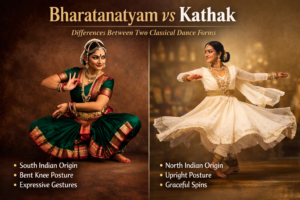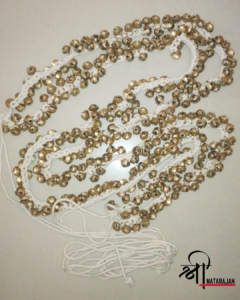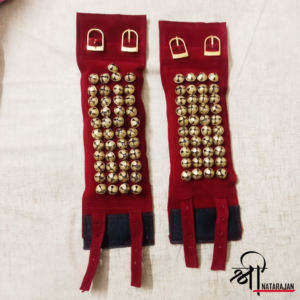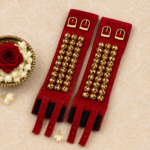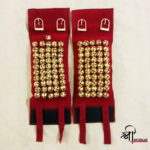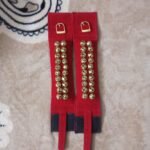
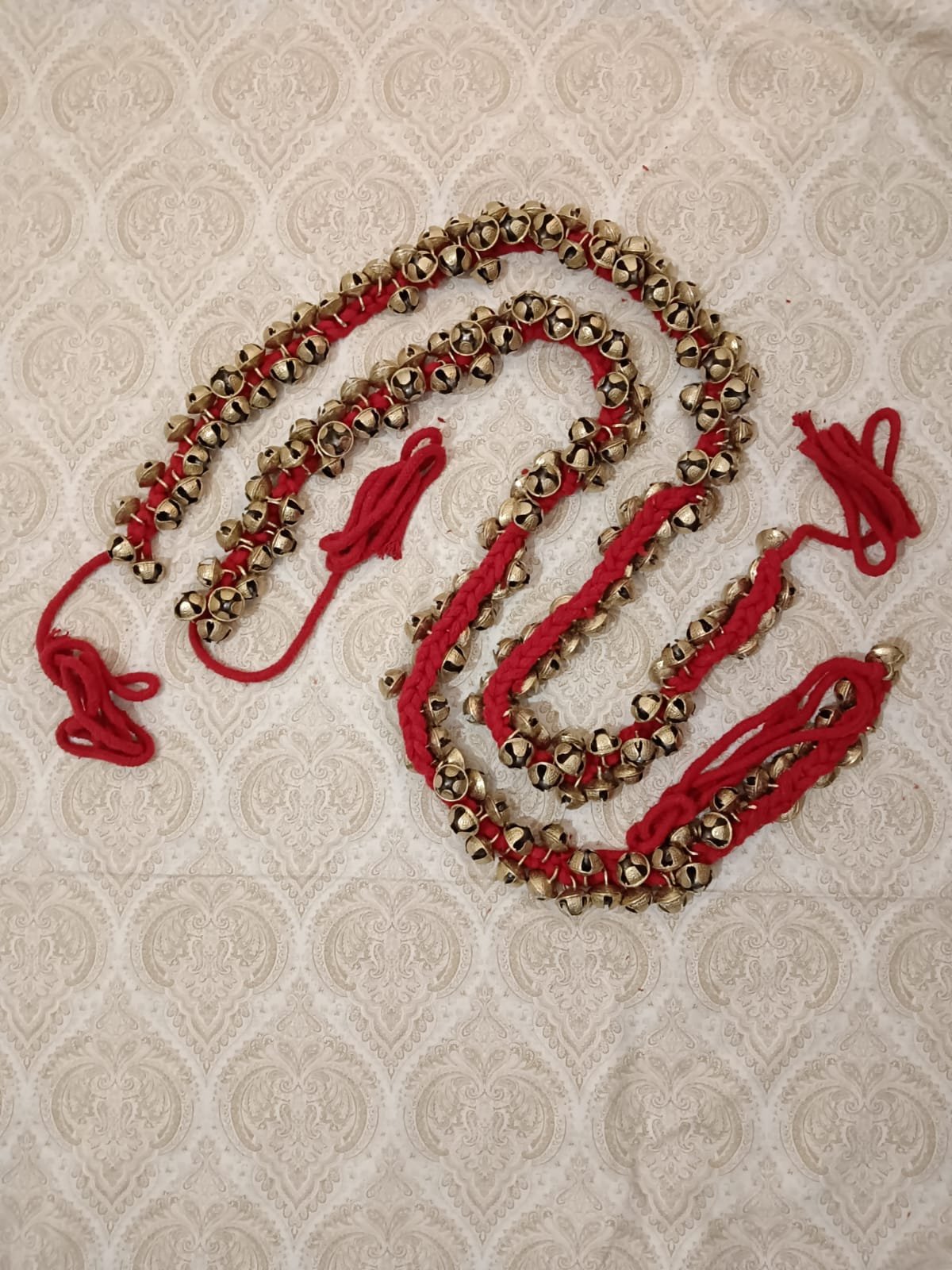
For every classical dancer, the sound of the Ghungroo is more than just a rhythm—it is an extension of expression, technique, and connection to the art form. Whether practicing Bharatanatyam, Kathak, Kuchipudi, or Mohiniyattam, dancers often notice that some Ghungroos produce a rich, clear, and resonant sound while others sound dull, uneven, or harsh.
But what exactly makes one Ghungroo sound better than another?
Let’s explore the key factors that influence Ghungroo sound quality and why investing in a well-crafted pair can significantly enhance your dance experience.
1. Quality of the Bells
The most important factor affecting the sound of a Ghungroo is the quality of the individual bells.
Premium-quality bells are carefully crafted to produce a clear and balanced tone. Inferior bells may have inconsistent shapes, uneven metal thickness, or manufacturing defects that result in a weak or distorted sound.
Handcrafted bells are often preferred by professional dancers because they produce a more natural and pleasing resonance compared to mass-produced alternatives.
2. Material Used in Manufacturing
The metal used in the bell greatly influences its tone.
Traditionally, high-quality Ghungroos are made using brass or brass-based alloys. Brass offers excellent resonance, durability, and tonal clarity. Lower-grade metals may reduce production costs but often compromise sound quality.
A well-made brass Ghungroo produces a warm and vibrant sound that remains consistent even after years of regular use.
3. Uniformity of the Bells
When purchasing a Ghungroo set, many dancers focus only on the number of bells. However, consistency among the bells is equally important.
If some bells are larger, smaller, heavier, or lighter than others, the resulting sound may become uneven. Premium Ghungroo sets maintain better uniformity, ensuring that every movement produces a balanced rhythm.
This is especially important during stage performances where sound clarity contributes to the overall presentation.
4. Number of Bells and Sound Volume
A common misconception is that more bells automatically mean better sound.
While a higher number of bells can increase volume and richness, sound quality depends on how well the bells are crafted and arranged.
For example:
- A well-crafted 100-bell Ghungroo can sound significantly better than a poorly made 150-bell set.
- Professional dancers often choose their Ghungroo count based on dance style, comfort, and performance requirements rather than simply seeking maximum volume.
The focus should always be on sound clarity rather than just loudness.
5. Threading and Arrangement
The way Ghungroos are tied together also affects their sound.
Proper spacing allows the bells to move freely and create a fuller resonance. If the bells are packed too tightly or attached poorly, their movement becomes restricted, resulting in a muted sound.
Well-designed Ghungroo sets maintain the right balance between durability, comfort, and sound projection.
6. Craftsmanship Matters
Experienced artisans understand how to create Ghungroos that not only look beautiful but also sound exceptional.
Handcrafted Ghungroos undergo careful inspection and assembly to ensure consistency in tone and performance. This attention to detail is one reason why many dance gurus and professional performers prefer artisan-made Ghungroos over cheaper alternatives.
Good craftsmanship often becomes noticeable from the very first practice session.
7. Age and Condition of the Ghungroos
Even high-quality Ghungroos require proper care.
Over time, exposure to moisture, dust, and rough handling can affect their sound. Loose threads, damaged bells, or rust may reduce tonal clarity.
To maintain the best sound quality:
- Store Ghungroos in a dry place.
- Keep them away from moisture.
- Inspect threads regularly.
- Replace damaged bells when necessary.
Proper maintenance helps preserve both appearance and sound for years.
How Professional Dancers Evaluate Ghungroo Sound
Experienced dancers often assess Ghungroos based on:
- Clarity of individual bell tones
- Uniformity of sound across the set
- Volume without harshness
- Resonance during footwork
- Consistency during practice and performance
A good Ghungroo should create a pleasant, balanced sound that complements the dancer’s movements rather than overpowering them.
Final Thoughts
The difference between an average Ghungroo and an exceptional one lies in the details—quality materials, skilled craftsmanship, uniform bells, proper assembly, and thoughtful design.
While the number of bells plays a role, true sound quality comes from how well the Ghungroo is made. Investing in premium handcrafted Ghungroos can enhance both practice sessions and stage performances, allowing dancers to express rhythm with greater confidence and precision.
For students, teachers, and professional performers alike, choosing a high-quality Ghungroo is not just a purchase—it’s an investment in the art of dance itself.