Choosing the right ghungroo is an important step for every Bharatanatyam dancer. Among the most common questions is whether to choose a 3-layer or a 5-layer ghungroo. While both options are widely used, the right choice depends on the dancer’s level, comfort, and purpose of use.
Understanding the difference between these variants can help dancers select ghungroos that support both learning and performance.
What Do “Layers” Mean in Bharatanatyam Ghungroos?
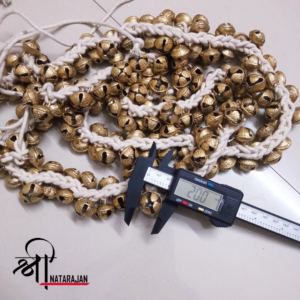
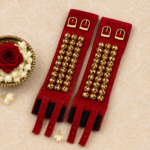
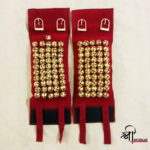
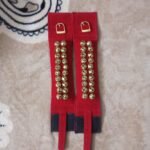
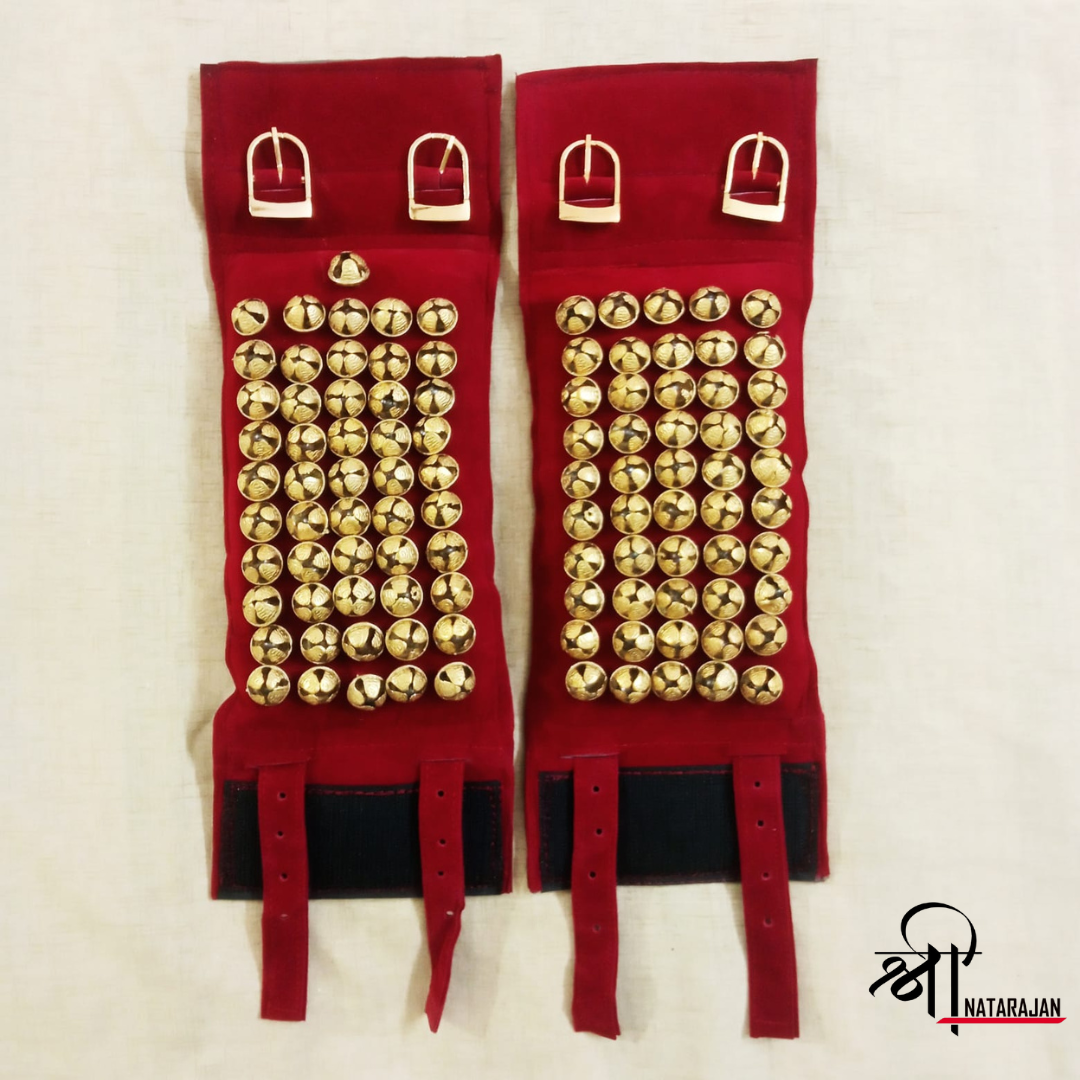
In Bharatanatyam, ghungroos are typically arranged in layers (rows of bells) attached to a padded strap. Each additional layer increases:
- The number of bells
- The overall weight
- The depth and volume of sound
Common variants include 2-layer, 3-layer, 4-layer, and 5-layer ghungroos, each suited for different stages of learning.
2 Layer and 3 Layer Ghungroos: Ideal for Beginners
For beginners, comfort and control are more important than sound volume.
- 2-layer ghungroos are lightweight and suitable for children or absolute beginners starting their training.
- 3-layer ghungroos are the most commonly recommended option for young learners and early-stage students.
These lighter variants help dancers:
- Focus on posture and basic footwork
- Practice for longer durations without strain
- Develop rhythm gradually
Starting with manageable weight ensures proper technique development from the beginning.
4 Layer Ghungroos: A Balanced Upgrade
As dancers progress, they often move to 4-layer ghungroos, which provide a balance between comfort and sound.
This variant is suitable for:
- Intermediate-level students
- Regular practitioners
- Dancers preparing for stage performances
4-layer ghungroos produce a clearer and fuller sound while still being comfortable enough for extended practice sessions.
5 Layer Ghungroos: Best for Advanced Dancers and Performances
5-layer ghungroos are generally preferred by advanced dancers and performers.
They offer:
- Stronger sound projection on stage
- Richer tonal depth
- Greater presence during performances
However, they are also heavier and require:
- Good ankle strength
- Proper balance and control
- Experience with Bharatanatyam technique
For beginners, starting directly with 5-layer ghungroos is usually not recommended, as it may lead to fatigue and affect footwork clarity.
How to Choose the Right Variant
When selecting between 3-layer and 5-layer ghungroos, consider the following:
- Experience level: Beginners should start with 2 or 3 layers, while advanced dancers can opt for 4 or 5 layers
- Practice duration: Longer practice sessions require comfortable weight
- Performance needs: Heavier ghungroos are better suited for stage presence
- Physical comfort: The ghungroo should feel balanced and not strain the ankle
If you are just starting your journey, it is helpful to first understand how many ghungroos a beginner should wear before moving to heavier variants.
Final Thoughts
There is no single “best” ghungroo for everyone. The right choice depends on where you are in your Bharatanatyam journey.
- 2–3 layers support learning and comfort
- 4 layers offer balance between practice and performance
- 5 layers enhance sound and stage impact
Progressing gradually from lighter to heavier ghungroos allows dancers to build strength, refine technique, and perform with confidence.
Choosing the right ghungroo is not just about sound—it is about supporting your growth as a dancer.