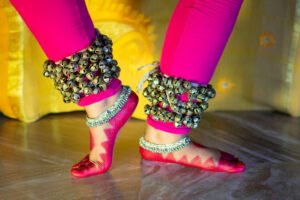
One of the most common questions beginners ask is: how many ghungroos should I wear? The answer depends on age, comfort level, and the dance form being practiced. Choosing the right ghungroo set is important because it directly affects balance, stamina, and the ability to learn rhythm correctly.
Why the Right Ghungroo Matters
Ghungroos are not just traditional accessories, they act as a rhythmic guide. Every step produces sound, helping dancers stay aligned with the beat (tala). For beginners, this feedback is essential for improving coordination and timing.
Starting with the correct ghungroo ensures that practice remains comfortable and technique develops properly from the beginning.
Recommended Ghungroo Count for Kathak Beginners
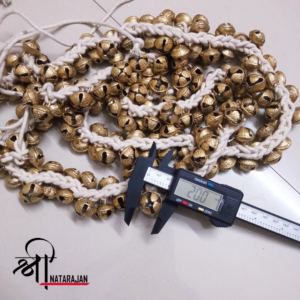
In Kathak, ghungroos are tied using cotton threads and are counted based on the number of bells per leg. Beginners should always start with a manageable weight.
General guideline:
- Children (5–10 years):
25–50 bells per leg
Lightweight and comfortable for early learning - Young beginners (10–15 years):
50–75 bells per leg
Helps improve clarity in footwork - Adult beginners:
75–100 bells per leg (starting range)
Can gradually move to 100+ bells per leg as stamina improves
Starting with heavier ghungroos too early can affect balance and make spins (chakkars) difficult to control.
Ghungroo Selection for Bharatanatyam Beginners
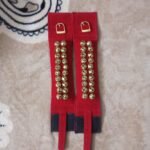
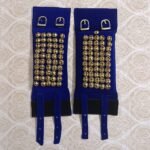
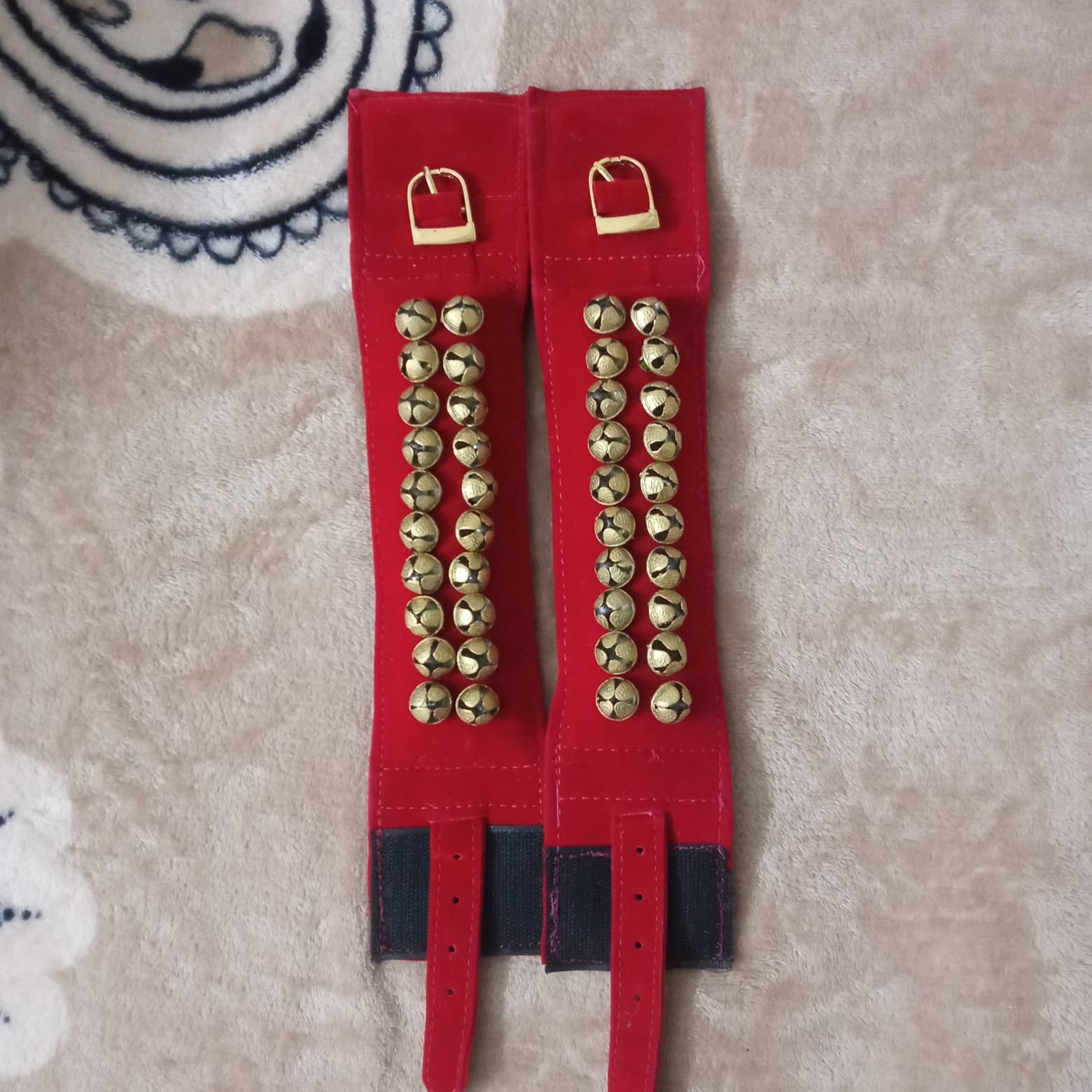
In Bharatanatyam, ghungroos are structured in layers (lines) and attached to a padded strap. The selection is based on both the number of layers and bell size.
General guideline:
- Children (5–10 years):
Kids ghungroo or 2-layer variants
Designed to be lightweight and comfortable - Young beginners (10–15 years):
3 or 4-layer variants
Provide better sound while maintaining comfort - Adult beginners:
5-layer variants or ghungroos with larger bell sizes
Offer stronger sound and are suitable as stamina develops
Bharatanatyam involves strong stamping movements, so proper weight distribution and padding are essential for long practice sessions.
Why Beginners Should Not Start Too Heavy
A common misconception is that more bells automatically mean better performance. In reality, starting with heavy ghungroos can:
- Cause ankle fatigue
- Affect posture and balance
- Reduce clarity in footwork
- Limit practice duration
For both Kathak and Bharatanatyam, it is better to progress gradually.
When Should You Upgrade?
Most dancers move to heavier ghungroos after:
- Consistent practice over several months
- Improved strength and stamina
- Better control over rhythm and technique
Upgrading at the right time improves sound quality and prepares dancers for stage performances.
Final Thoughts
For beginners, the best ghungroo is not the heaviest, it is the one that supports comfortable learning. Starting with the right number or layer allows dancers to focus on building a strong foundation.
As skills improve, ghungroos naturally evolve with the dancer, becoming an essential part of both practice and performance in Indian classical dance.