
Bharatanatyam ghungroo are more than just ankle bells—they are an essential part of a dancer’s rhythm, discipline, and expression. Whether you are a beginner starting your classical dance journey or an experienced performer preparing for stage performances, choosing the right bharatanatyam ghungroo plays a crucial role in your training and presentation.
In Bharatanatyam, ghungroo are also commonly known as salangai, and they are traditionally worn during practice, rehearsals, and performances to enhance footwork precision and rhythmic clarity.
What Are Bharatanatyam Ghungroo?
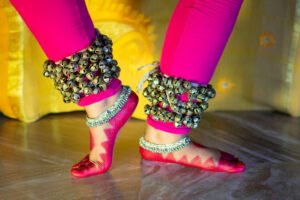
Bharatanatyam ghungroo are anklets fitted with multiple brass bells tied in rows or “lines.” These bells produce sound when the dancer performs foot movements, helping maintain rhythm (tala) and synchronization with music. Unlike casual dance accessories, classical ghungroos are carefully crafted to produce consistent sound, balance, and comfort during long hours of practice.
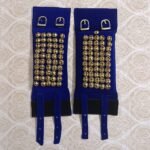
Traditionally, bharatanatyam ghungroo are worn snugly around the ankles and secured using velvet or leather belts, often with Velcro for easy adjustment.
Bharatanatyam Ghungroo for Beginners

For beginners and young students, lightweight ghungroo with fewer lines are recommended. Typically, 2-line or 3-line bharatanatyam ghungroo are ideal as they produce a softer sound that helps students focus on learning footwork without strain.
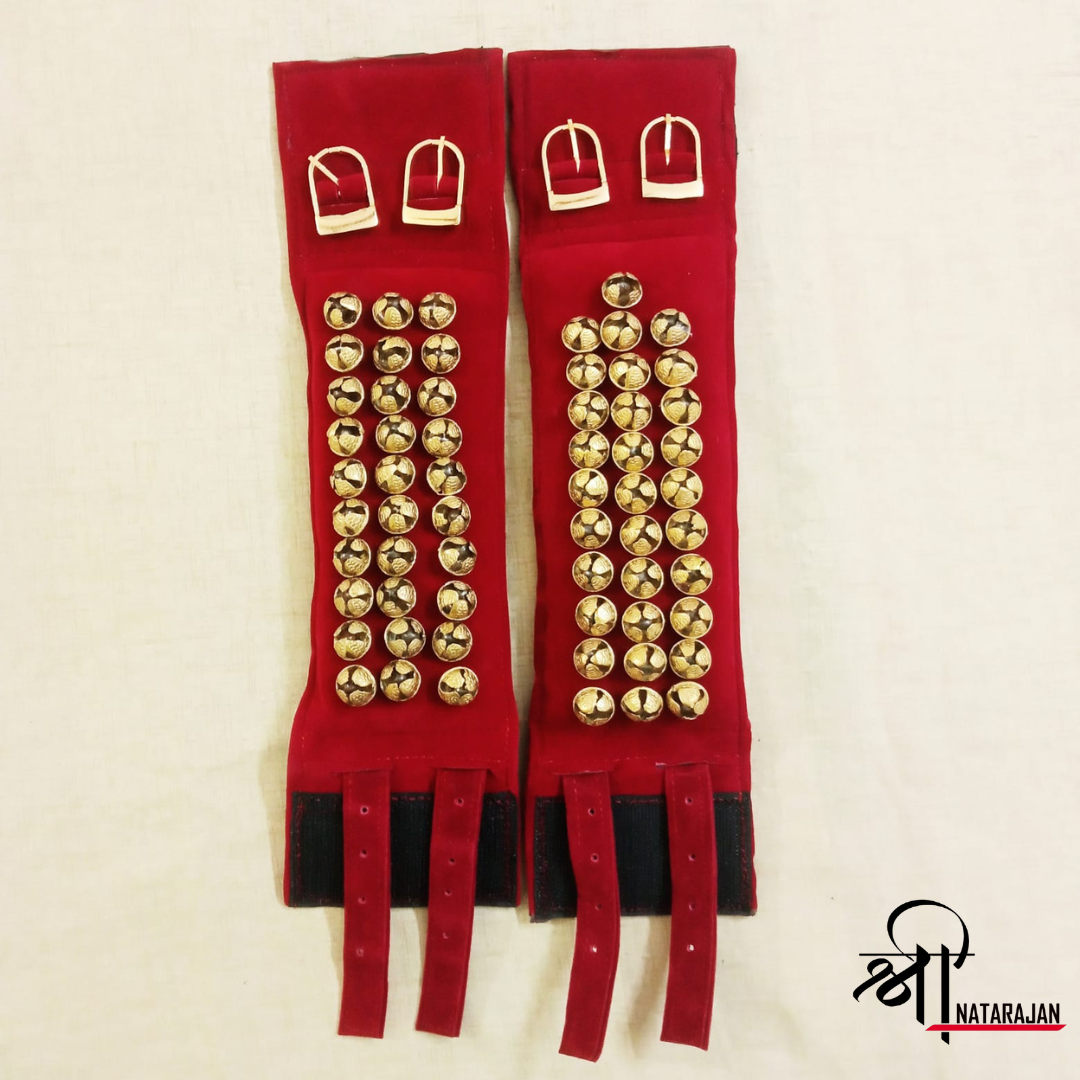
Velvet-padded ghungroo are especially preferred for beginners because they provide comfort and reduce pressure on the ankles during daily practice sessions.
Ghungroo for Intermediate and Advanced Dancers
As dancers progress, they gradually move towards 4-line or 5-line bharatanatyam ghungroo. These produce a richer and more powerful sound, suitable for advanced practice and stage performances.
Professional dancers and those preparing for arangetram often choose heavier ghungroo, including silver-plated or premium handcrafted variants, to ensure strong sound projection and visual elegance during performances.
Velvet vs Leather Bharatanatyam Ghungroo
Choosing between velvet and leather ghungroo depends on personal comfort and usage:
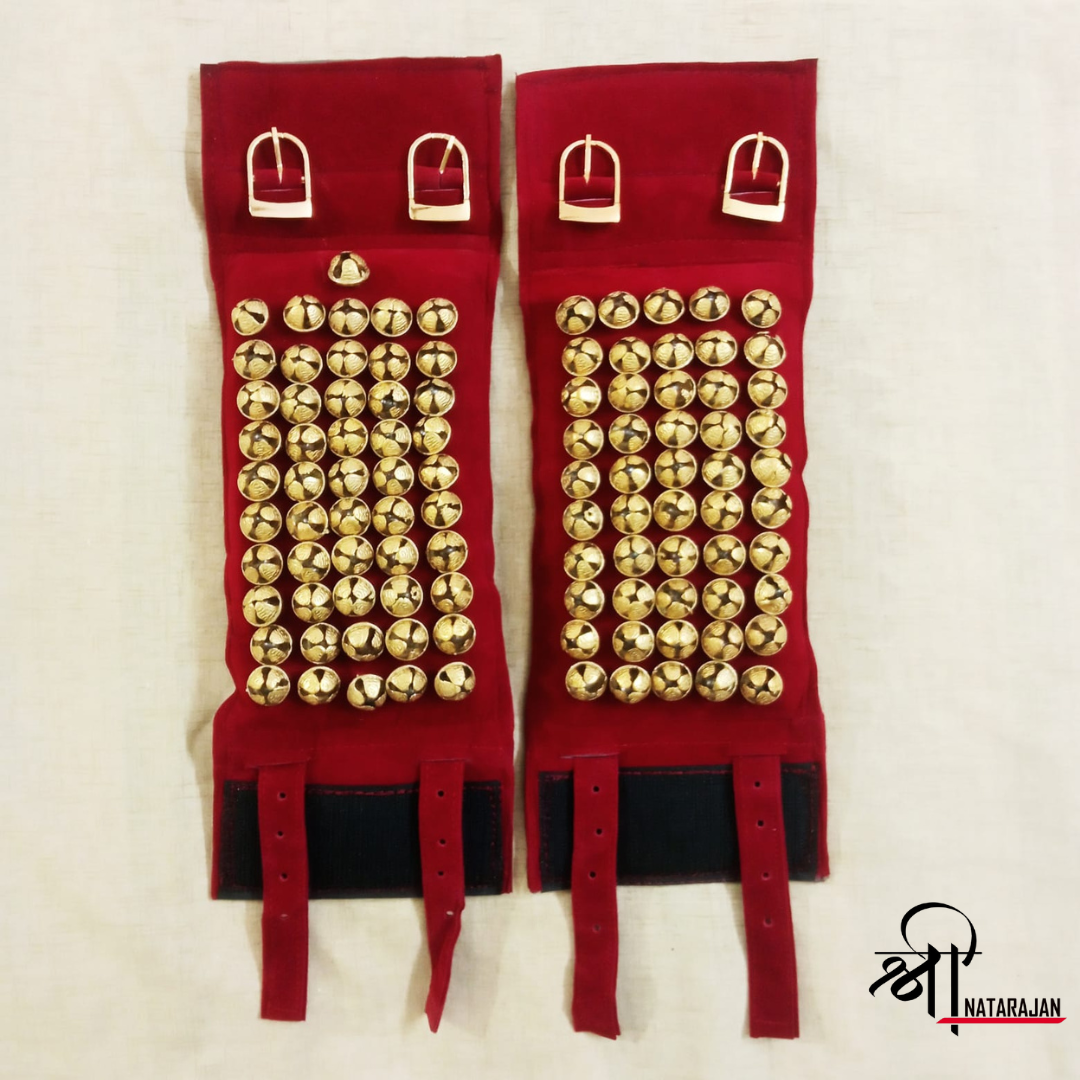
- Velvet ghungroo are soft, cushioned, and comfortable—ideal for students and long practice sessions.
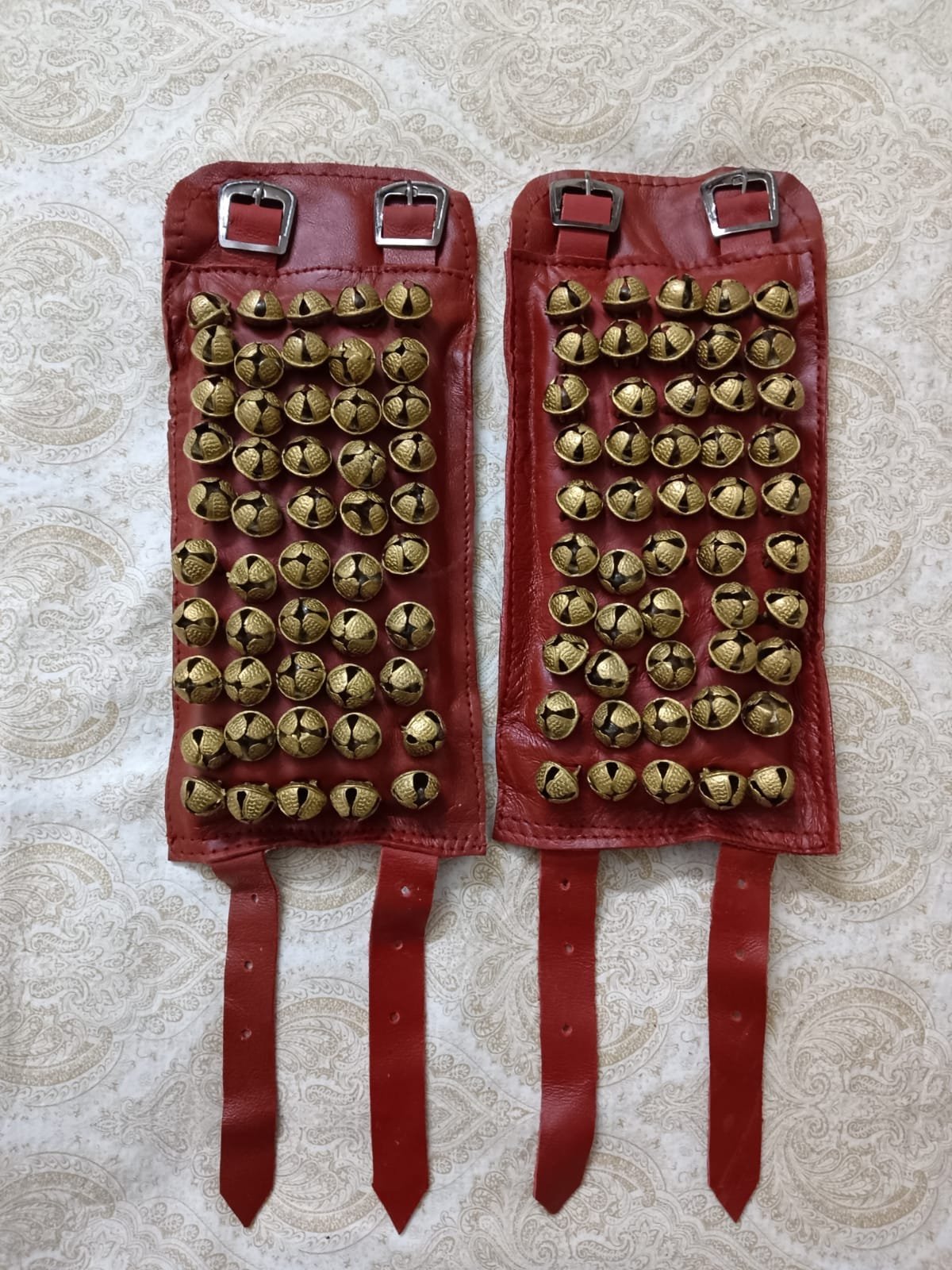
- Leather ghungroo offer firmer support and durability, making them suitable for intense practice and performances.
Both types are widely used in Bharatanatyam, and many dancers switch materials as they advance.
How to Choose the Right Bharatanatyam Ghungroo
When selecting bharatanatyam ghungroo, consider:
- Your experience level (beginner, intermediate, performer)
- Number of lines required for sound intensity
- Material preference (velvet or leather)
- Comfort and secure fitting
- Purpose (practice vs performance)
Investing in the right ghungroo ensures better learning, comfort, and confidence on stage.
Why Quality Matters in Bharatanatyam Ghungroo
Well-crafted bharatanatyam ghungroo produce clear, balanced sound and last longer with proper care. Handcrafted brass bells, strong stitching, and secure belts make a noticeable difference in performance and durability.
Choosing high-quality ghungroo helps dancers maintain rhythm accuracy while preserving the traditional essence of Bharatanatyam.