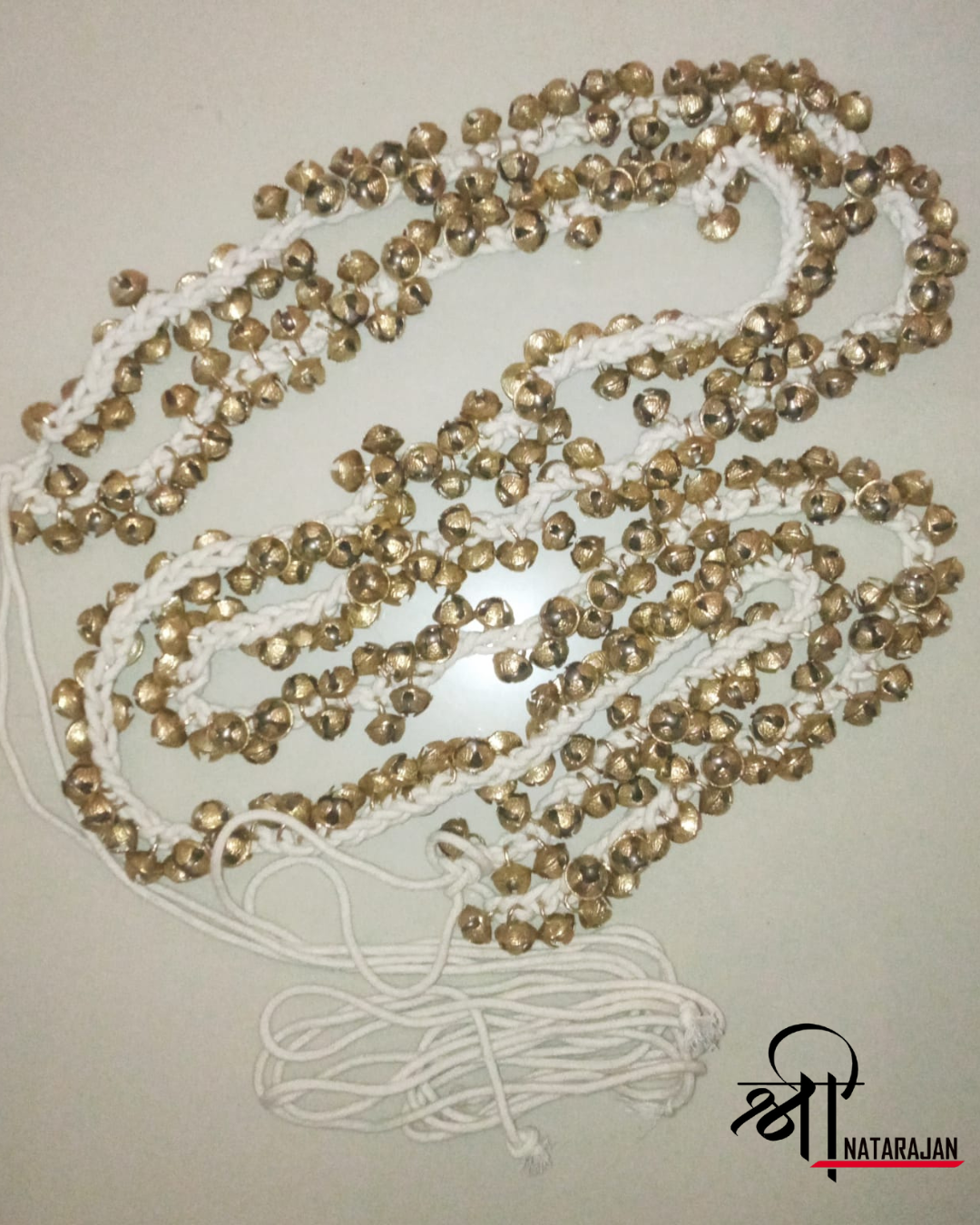
Choosing the right ghungroo is one of the most important decisions in a Kathak dancer’s journey. Beyond tradition, a ghungroo directly affects sound clarity, rhythm accuracy, comfort, and performance confidence. Yet many dancers struggle to decide which ghungroo truly suits their level and style.
This guide will help you understand what to look for when selecting the right ghungroo for Kathak dance.
Understanding the Role of Ghungroo in Kathak
Kathak is deeply rooted in rhythm (taal) and footwork (tatkaar). Unlike other classical dance forms, Kathak demands strong, sharp, and well-defined sound output. A ghungroo that lacks balance or durability can disrupt rhythmic precision and affect overall performance.
That is why professional Kathak dancers pay close attention to bell count, bell size, material, and craftsmanship.
Kathak Ghungroo Variants Based on Bell Count
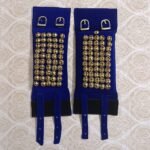
Kathak ghungroos are available in multiple bell-count variants, each suited to different age groups and experience levels.
- 25+25 bells – Ideal for beginners and young learners, offering light sound and comfortable control during early training.
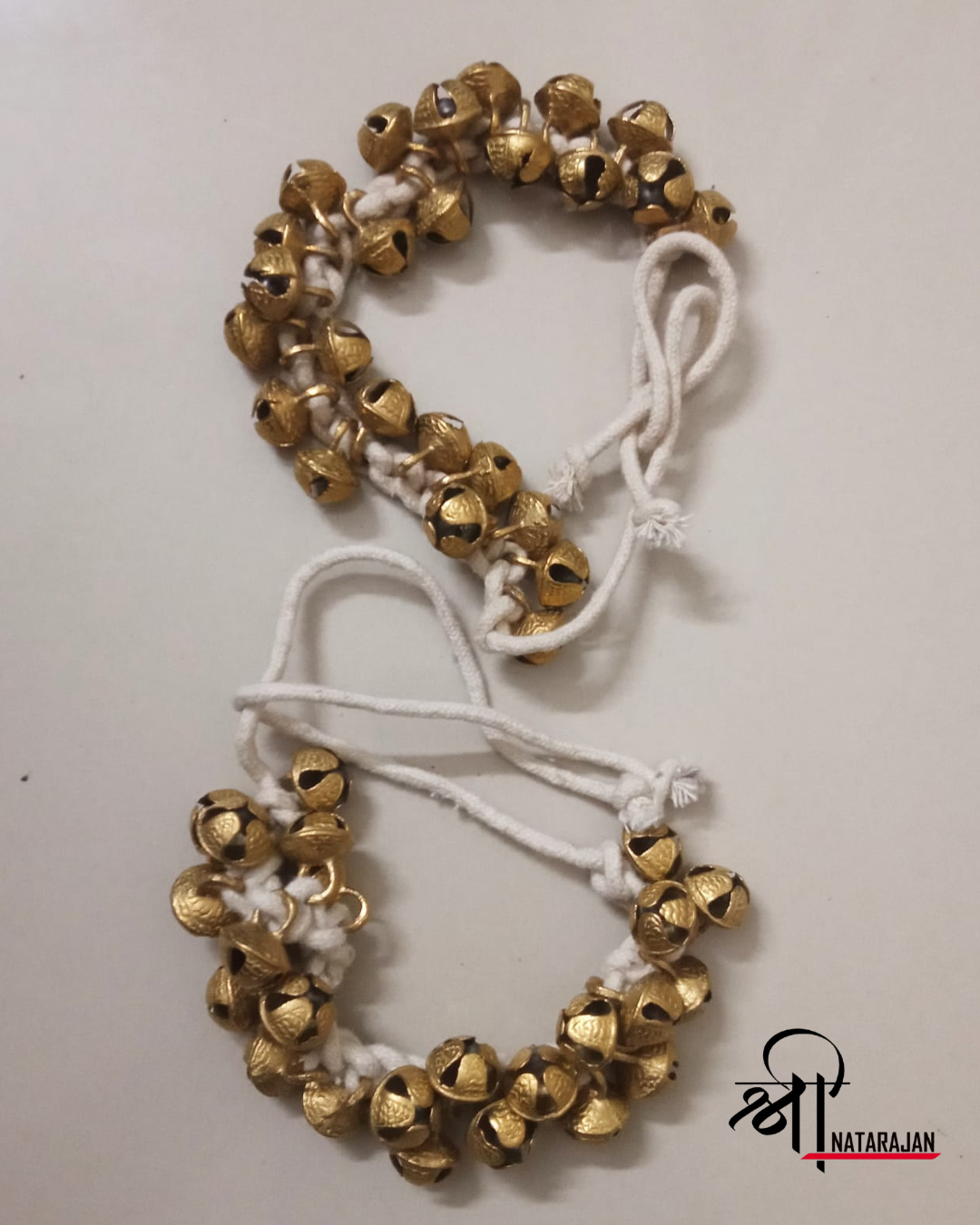
- 50+50 bells – Suitable for mid-level students, helping develop stronger footwork while maintaining comfort.
- 100+100 bells – Commonly used by adult students, providing clear and balanced sound for regular practice.
- 125+125 & 150+150 bells Ghungroo – Preferred by advanced learners and serious practitioners, offering greater sound depth and rhythmic clarity.
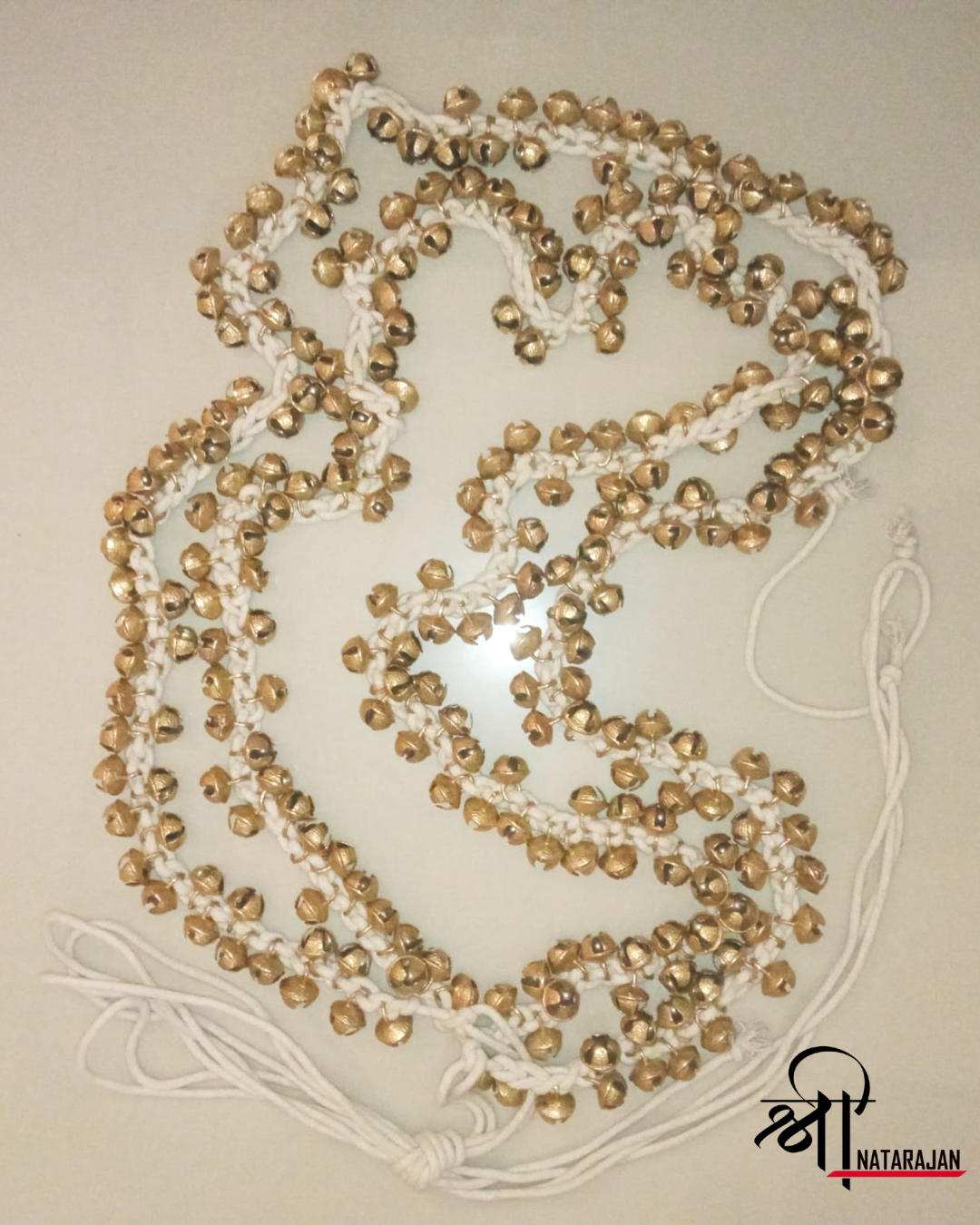
- 200+200 bells – Mostly used by professional Kathak dancers, especially for stage performances requiring powerful sound projection.
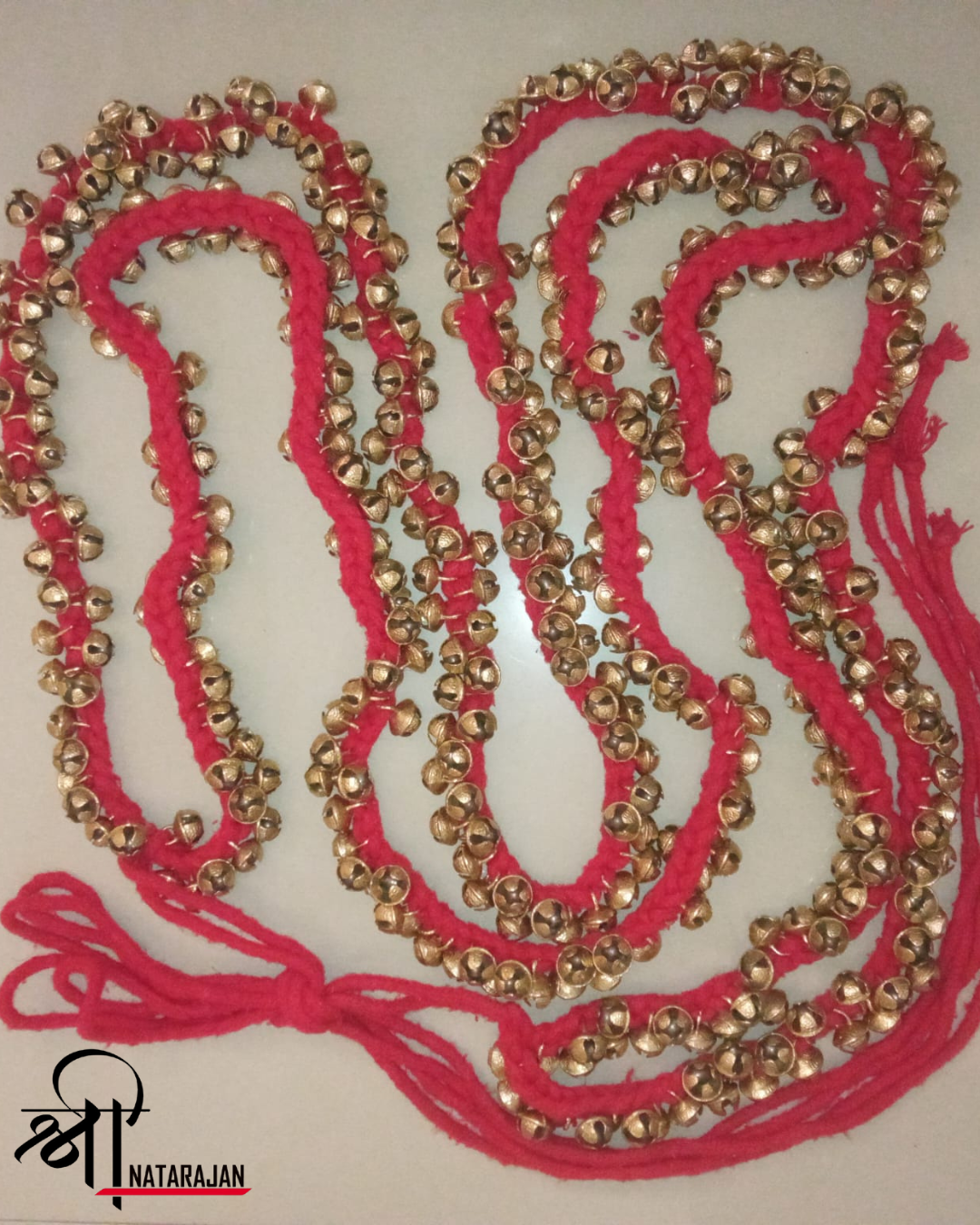
Choosing the right bell count ensures better comfort, sound control, and steady progress in a Kathak dancer’s journey.
Bell Size and Sound Quality
Bell size plays a crucial role in tonal depth.
- Smaller bells create lighter, sharper sounds
- Larger bells (such as 2.0 cm) produce stronger resonance and clarity
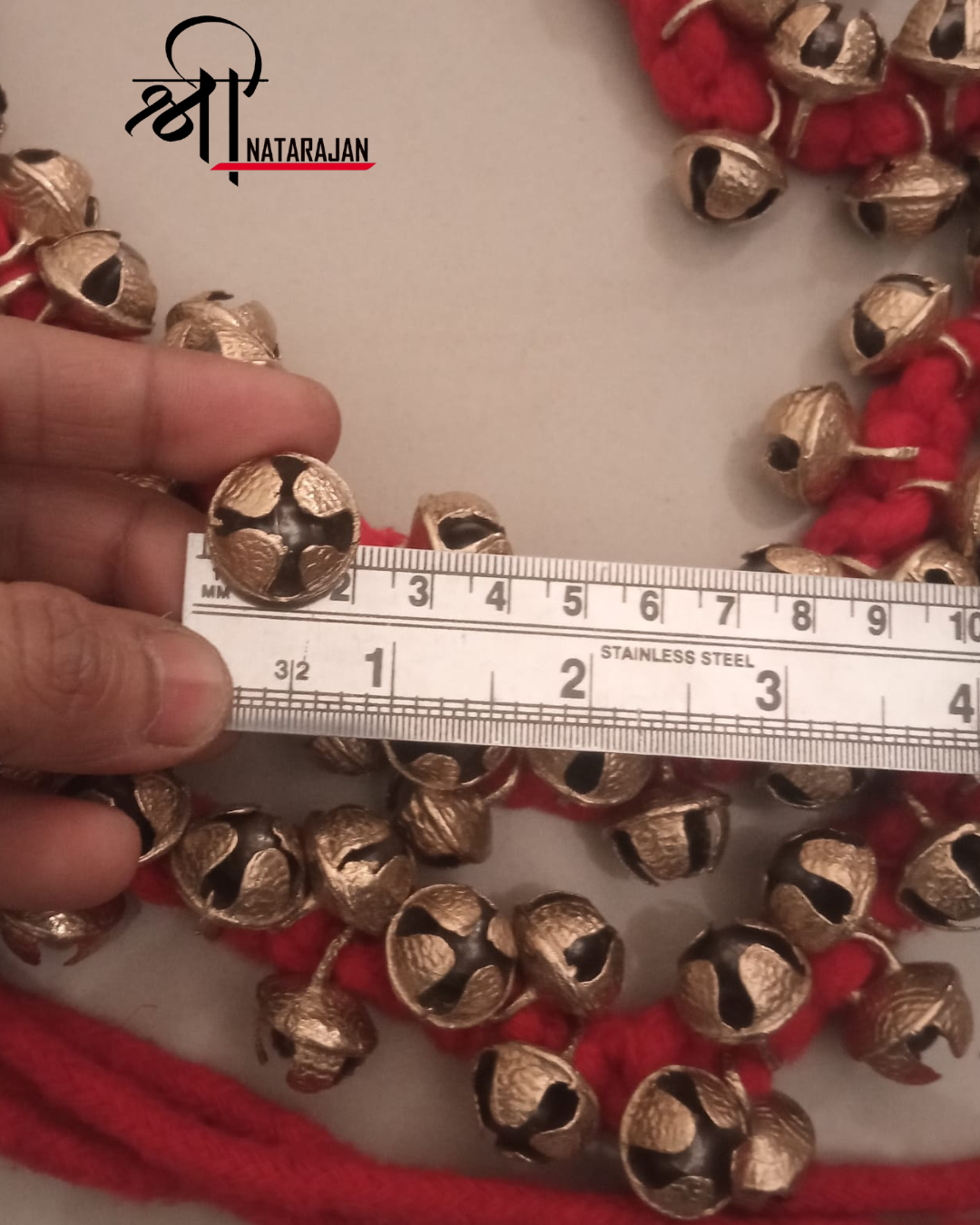
For Kathak dancers who perform frequently, larger bells help maintain rhythmic dominance even on larger stages.
Material and Craftsmanship
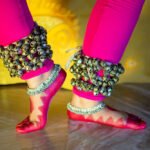
Always choose brass ghungroos for Kathak. Brass bells offer:
- Clear and consistent sound
- Long-term durability
- Traditional tonal quality
Handcrafted ghungroos are superior because each bell is tested and aligned for uniform sound. Machine-made sets often lack tonal balance and wear out faster.
Thread Binding and Fit
Thread quality determines how securely the ghungroo stays tied during fast footwork.
- Strong cotton threads improve durability
- Proper binding ensures the ghungroo remains firm without slipping
Red thread ghungroos are traditionally preferred by Kathak dancers and are commonly used for performances.
Choosing Based on Your Level
- Beginners should focus on comfort and manageable sound
- Intermediate dancers should upgrade to higher bell counts for better control
- Professional dancers should invest in high bell count, large-bell ghungroos for stage readiness
Selecting the right ghungroo early helps prevent frequent replacements and improves long-term performance quality.
Why Quality Matters More Than Price
A ghungroo is not just an accessory — it is a dancer’s instrument. Poor quality ghungroos lose sound clarity, break easily, and can disrupt practice routines.
Investing in a well-crafted Kathak ghungroo ensures:
- Consistent sound
- Long-lasting durability
- Better rhythm control
- Confidence during performances
Final Thoughts
The right ghungroo supports your growth as a Kathak dancer. By understanding bell count, bell size, craftsmanship, and fit, you can choose a ghungroo that complements your practice and performance needs.
At Shri Natarajan, ghungroos are crafted with deep respect for classical tradition, sound precision, and dancer comfort — helping dancers focus on what truly matters: rhythm, expression, and art.
FAQs
How many bells are ideal for Kathak dance?
Advanced Kathak dancers usually prefer 150+150 or 200+200 bell ghungroos for stronger sound clarity.
Are handcrafted ghungroos better than machine-made ones?
Yes. Handcrafted ghungroos offer better tonal balance, durability, and traditional sound quality.